
Insurance for Texas Nonprofit Events and Fundraisers
Texas nonprofits and charitable organizations know how to rally a community behind a great cause. Whether you are organizing a black tie gala in Houston, a 5K charity run in Dallas, or a massive weekend festival in the Hill Country, pulling off a successful event requires immense passion, planning, and coordination.
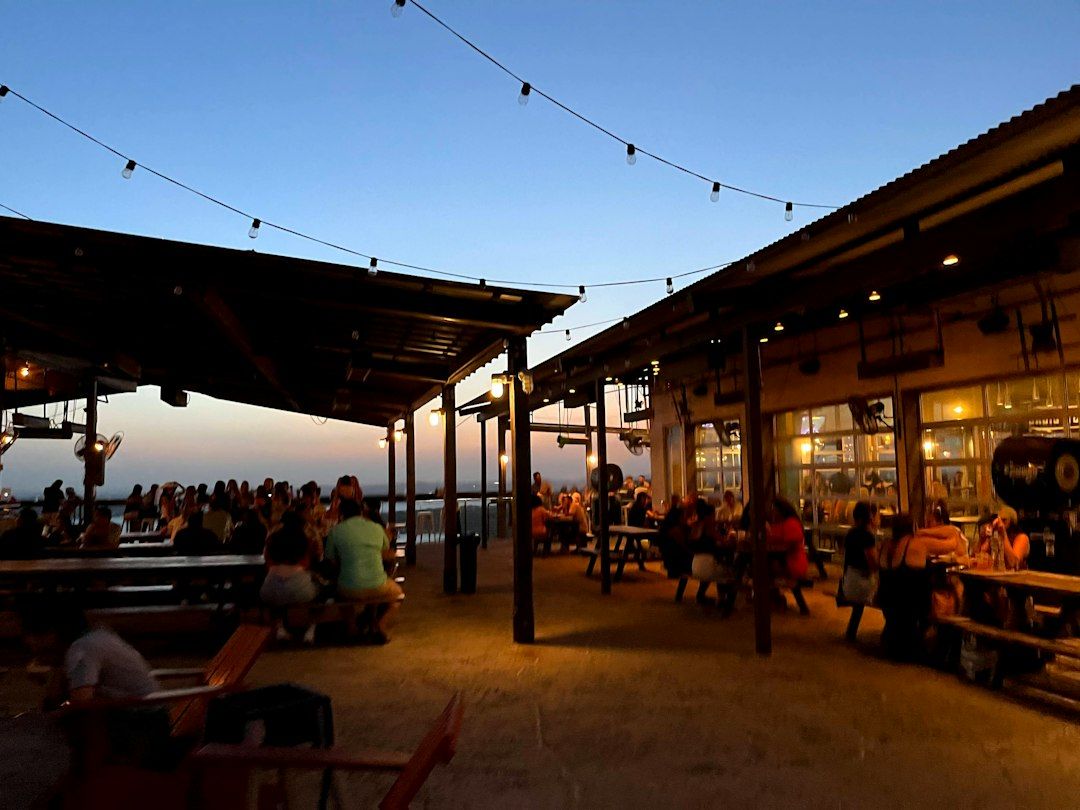
Texas nonprofits and charitable organizations know how to rally a community behind a great cause. Whether you are organizing a black tie gala in Houston, a 5K charity run in Dallas, or a massive weekend festival in the Hill Country, pulling off a successful event requires an immense amount of passion, planning, and logistical coordination. However, the moment your organization invites the general public, third party vendors, and dedicated volunteers into a shared space, your risk profile changes dramatically.
At Farmers Insurance - The West Agency, we have spent decades helping Texas organizations protect their missions from unexpected setbacks. We know firsthand that anticipating what could go wrong is the best way to ensure everything goes right. Event planning is stressful enough without having to worry about the financial devastation of a lawsuit or a severe property damage claim. In this comprehensive guide, we will walk through the critical coverage needs for Texas nonprofit events and fundraisers. Our goal is to provide you with the expert guidance necessary to ensure your hard earned funds go directly toward your cause instead of paying for unexpected legal bills.
Overview: The Legal Landscape for Texas Nonprofits
Many board members and community leaders operate under the dangerous assumption that holding a registered 501(c)(3) status acts as an impenetrable shield against lawsuits. While the state of Texas does offer some statutory protections for charitable groups, the reality of legal liability is far more nuanced.
The Texas Charitable Immunity and Liability Act of 1987 provides a foundational layer of defense for qualifying organizations, generally capping civil damages at $500,000 per person and $1 million per single occurrence for non hospital charities. It also grants a degree of legal immunity to volunteers who are acting in good faith within the scope of their designated duties. However, statutory immunity does not prevent an injured party from filing a lawsuit against your organization if they slip on a wet floor at your venue or if their personal property is damaged during your event. It simply provides an affirmative defense that your legal counsel must successfully prove in court. The cost of hiring an attorney to invoke that defense can easily drain a modest operating budget before the case is even resolved.
Furthermore, the insurance market is evolving rapidly. According to 2026 industry outlooks, many nonprofits are facing significant increases in casualty and umbrella premiums, making proactive risk management more important than ever. Insurance carriers are asking highly detailed questions about volunteer training programs, venue contracts, and emergency protocols. Navigating this environment requires more than just checking a box on an application. It requires a strategic approach to your organization's unique exposures. Taking the time to understand the broader event, hospitality, and nonprofit liability insurance landscape in Texas is the first step toward securing true peace of mind.
Key Aspects: Tailoring Coverage to Your Event Type
A standard commercial general liability policy might cover your day to day office operations, but special events often introduce specific exclusions or require specialized endorsements. Because no two events are exactly alike, understanding the different facets of event liability is the key to preventing catastrophic coverage gaps. We approach event insurance by categorizing the risks based on the specific type of fundraiser you are hosting.
Galas, Auctions, and Indoor Fundraisers
Indoor events are often perceived as low risk, but they carry their own distinct set of challenges. Virtually every established venue in Texas will require proof of insurance before you can finalize your booking. The industry standard requirement across the state is a policy providing $1 million per occurrence and $2 million in aggregate coverage. You will also be required to provide a Certificate of Insurance that names the venue as an Additional Insured. Securing robust business public liability insurance plans ensures these limits are met and that your documentation perfectly matches the venue coordinator's exact requirements.
Additionally, indoor galas frequently feature open bars or wine pulls. If alcohol is being served, Host Liquor Liability is an absolute necessity. This protects your organization if an intoxicated guest leaves your event and causes an automobile accident. Standard liability policies often exclude alcohol related incidents, so this specific endorsement must be verified.
Outdoor Festivals, Fairs, and Markets
Outdoor community events introduce entirely new variables, particularly when it comes to the professionals you hire. Your event is only as safe as the third parties operating within it. Whether you are bringing in stage lighting crews or temporary seating companies, third party contractors bring their own liability exposures. You should never assume your policy will cover their mistakes. It is critical to analyze contractors' liability insurance quotes carefully before signing an agreement, ensuring the professionals you hire carry their own robust coverage and name your nonprofit as an Additional Insured.
Similarly, if your festival includes food trucks or catering tents, verifying proper insurance for food vendors is a non negotiable step. Foodborne illness claims or a grease fire in a mobile kitchen can quickly result in shared liability if you fail to vet your vendors properly. For more specific guidance on this topic, review our detailed breakdown of food vendor insurance for Texas fairs, markets, and festivals.
Interactive entertainment is another major hurdle for outdoor events. Inflatables, rock climbing walls, and dunk tanks are massive draws for families, but they are also frequent sources of injury claims. Most standard liability policies explicitly exclude these attractions. We help clients navigate strict bounce house liability insurance requirements to ensure compliance and guarantee that a dedicated policy or endorsement covers these specific amusement devices. You can read more about bounce house and inflatables liability insurance requirements in Texas to understand these rigid underwriting guidelines.
Charity Runs and Athletic Events
Fun runs, 5Ks, and charity golf tournaments expose organizations to participant injuries and public infrastructure risks. Standard liability policies often contain "athletic participant exclusions," meaning the policy will not cover medical costs if a runner trips on uneven pavement or suffers heat exhaustion. Specialized special event policies are required to cover athletic participants. Moreover, coordinating road closures with local police and managing volunteer traffic controllers adds a layer of public liability that must be explicitly disclosed to your underwriter.
Faith Based Event Considerations
For religious organizations hosting public festivals, youth retreats, or community service days, the stakes are equally high. We frequently review church liability insurance policies to identify off premise exclusions that might leave a congregation vulnerable when hosting an event away from their main campus. Furthermore, recent Texas legislation, such as Senate Bill 694, extends civil immunity to both volunteer and employee security personnel at places of worship. Aligning your coverage with the latest state laws ensures your security teams can operate confidently. Learn more about protecting your congregation by exploring church and nonprofit liability insurance in Texas.
Insights: Protecting Volunteers and Navigating the 2026 Market
One of the most overlooked areas in nonprofit event planning is volunteer safety. Volunteers are the absolute lifeblood of any charitable event, but they fall into a challenging legal gray area. Because they are not paid employees, they are typically excluded from state workers' compensation coverage. If a volunteer injures their back carrying heavy boxes for your silent auction or suffers a burn while setting up chafing dishes, they might have no choice but to sue the organization's general liability policy to cover their medical bills.
To bridge this critical gap, we highly recommend purchasing a Volunteer Accident Insurance policy. This coverage acts as a no fault safety net, paying out limited medical expenses for injured volunteers regardless of who was to blame. By taking care of your volunteers' medical costs upfront, you drastically reduce the likelihood that a minor injury will escalate into a costly, drawn out liability lawsuit. Taking care of the people who take care of your mission is simply good business.
Another significant trend we are monitoring closely in 2026 is the impact of social inflation and rising legal costs on insurance premiums. Board members operating on tight budgets often feel immense pressure to cut overhead costs wherever possible. Consequently, searching for cheap small business liability insurance options online to simply satisfy a venue's minimum requirements is incredibly tempting. However, budget policies are cheap for a reason. They often contain broad exclusions for athletic participants, assault and battery, or alcohol related incidents. A stripped down policy offers zero protection when a complex claim actually occurs.
We advise our clients that true value comes from tailoring the coverage to the actual risks of the event, not just buying the cheapest paper available. Board members must also consider their personal exposure if an event goes catastrophically wrong and the organization is found to be underinsured. For deeper insights on how organizational leadership can protect their personal assets, we recommend reviewing our resources on directors, officers, and nonprofit liability insurance in Texas.
Event Risk Management Timeline and Checklist
Securing the right insurance policy is only half the battle. To truly mitigate risk and keep your premiums manageable over time, your organization must adopt a culture of proactive risk management. Based on our years of experience helping Texas nonprofits, we have developed a practical timeline to keep your risk management strategy on track before the big day.
Three to Six Months Out
-
Review existing insurance policies with your agent to determine if your upcoming event falls under your annual general liability coverage or if a standalone Special Event policy is required.
-
Request the official insurance requirements from your venue in writing.
-
Have legal counsel or your insurance broker review all venue agreements. Look closely for indemnification clauses or hold harmless agreements that unfairly shift liability onto your organization. One to Two Months Out
-
Collect Certificates of Insurance from every third party vendor, including DJs, caterers, security firms, and rental companies. Ensure your organization is explicitly listed as an Additional Insured on their policies.
-
Draft written safety guidelines for your volunteers. Do not just hand them a t-shirt on the morning of the event. Provide clear instructions, especially for those handling food, directing traffic, or managing large crowds. The Week of the Event
-
Conduct a physical site walkthrough with your organizing committee. Look for tripping hazards, inadequate lighting, or unsecured electrical cables, and document exactly how you plan to address them.
-
Establish a firm incident reporting protocol. If someone is injured at your event, how your team responds in the first ten minutes matters immensely. Designate a specific point person for administering first aid, taking witness statements, and reporting the incident to your insurance agent.
Conclusion
Hosting a successful nonprofit event in Texas is a tremendous accomplishment that requires vision, hard work, and dedicated community support. By taking the time to fully understand your unique risk exposures, from volunteer injuries to vendor slip ups, you can ensure that one unexpected incident does not jeopardize the financial future of your organization. Protecting your cause requires looking far beyond basic venue compliance and building a customized safety net that addresses the realities of large public gatherings. With the right strategies and partnerships in place, you can focus all of your energy on what truly matters: raising funds, raising awareness, and making a lasting, positive impact in your local community.
Farmers Insurance - The West Agency
Ready to take the next step? Contact us today for personalized assistance and discover how we can help you achieve your goals. Your success is our priority, and we are here to support you every step of the way. Whether you are planning your very first community festival or reviewing the annual coverage for an established charity gala, Farmers Insurance - The West Agency provides unmatched guidance tailored to your specific needs. With over 30 years of experience serving Texas, we know exactly how to craft comprehensive policies that protect your mission, your board of directors, and your dedicated volunteers. Reach out to our expert team to request a custom quote and let us make protecting your next big event simple, reliable, and stress free.
By Mike West & Team · Published 7/16/2026