
Texas Flood Insurance Explained
Only 20 percent of Texas homes in high-risk flood zones carry federal flood insurance, yet the state leads the nation in flood disasters, reports the Federal Emergency Management Agency (FEMA). Clients often ask me, "Isn't flood damage covered by my homeowners policy?" The short answer is no.
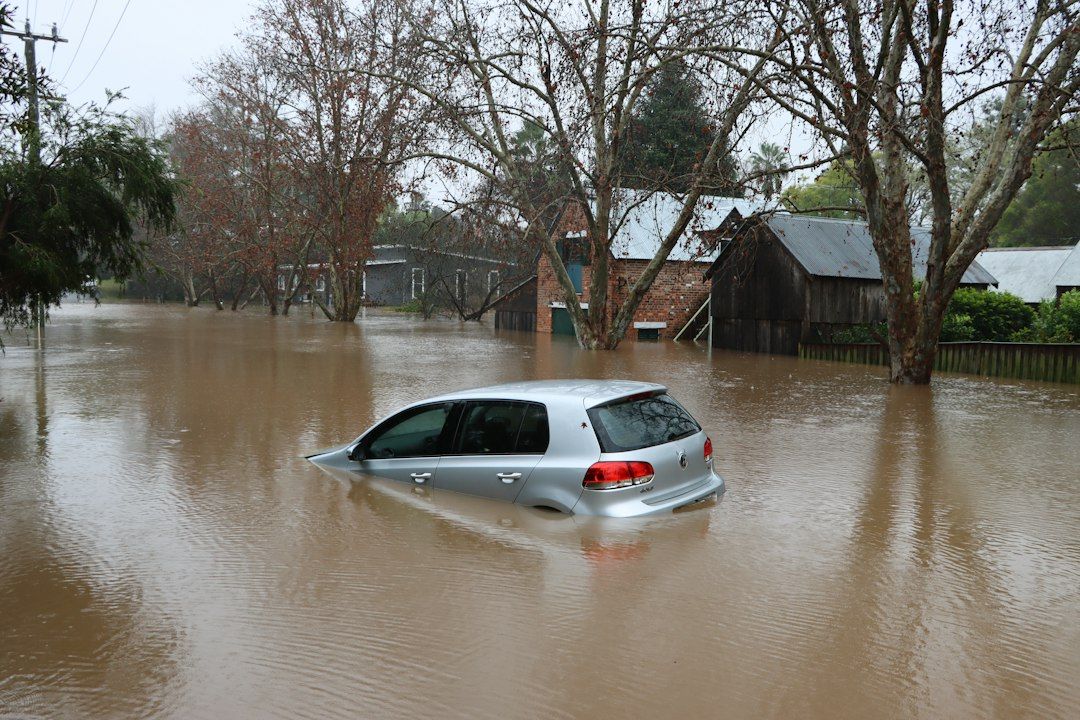
Introduction
Only 20 percent of Texas homes in high-risk flood zones carry federal flood insurance, yet the state leads the nation in flood disasters, reports the Federal Emergency Management Agency (FEMA). Clients often ask me, “Isn’t flood damage covered by my homeowners policy?” The short answer is no. As an agent who has walked customers through everything from river overflows in Central Texas to hurricane storm surge on the Gulf Coast, I will clarify what flood insurance covers, who needs it, and how to buy the right policy without overspending.
Why Standard Policies Fail Against Floods
Homeowners and renters policies exclude surface water intrusion, leaving property owners to shoulder repair bills that average $40,000 per claim, according to the Insurance Information Institute (III). In 2023 alone, Texas experienced five separate billion-dollar flood events. FEMA’s updated Risk Rating 2.0 methodology now prices flood coverage by individual property characteristics—distance to water, foundation height, and rebuild cost—rather than outdated county flood maps. Early data from the National Flood Insurance Program (NFIP) shows Texas premiums rising a modest 8 percent on average, but properties with prior claims or coastal exposure can see steeper hikes.
Other key trends:
- Private flood insurers expanded Texas market share from 4 percent in 2019 to 13 percent in 2023 (A.M. Best).
- Mortgage lenders tighten requirements: 83 percent of federally backed loans in flood zones now demand proof of active coverage at closing.
- Climate change accelerates inland risk, with Texas State Climatologist data showing a 16 percent increase in extreme rainfall days since 2000. These shifts make flood insurance a strategic purchase for homeowners, renters, and even businesses located miles from the coast.
Core Components of Flood Coverage
Building Property
Covers structural elements—foundation, walls, electrical, plumbing, HVAC—for up to $250,000 under NFIP policies. Private carriers can extend limits to $1 million. Example: During the 2018 Llano River flood, an Austin-area homeowner with max NFIP limits received $246,000 for slab repairs and electrical rewiring.
Personal Property
NFIP offers up to $100,000 for contents; private insurers may reach $500,000. Tip: Choose replacement cost coverage where available to avoid depreciation deductions on items like appliances and furniture.
Increased Cost of Compliance (ICC)
Pays up to $30,000 for elevation or floodproofing if local codes require upgrades after substantial damage. This provision saved a Rockport homeowner nearly half the cost of elevating pilings post-Harvey.
Loss of Use—Absent in NFIP
Federal policies do not reimburse temporary housing. Some private flood plans include up to $25,000 in additional living expenses, a crucial gap-filler for families without substantial savings.
Real-World Case Studies
-
Inland Flash Flood Success A Waco policyholder, 12 miles from the Brazos River, bought a $450-per-year NFIP policy after a realtor’s recommendation. A 2022 rainfall event sent two feet of water through the property. NFIP paid $87,500 for flooring, drywall, and cabinetry—nearly triple premiums paid to date.
-
Private Market Advantage A Corpus Christi duplex owner opted for a private insurer offering $500,000 building and $200,000 contents coverage with loss-of-use benefits for $2,100 annually. After Hurricane Hanna, tenants relocated to hotels for 45 days on the policy’s dime—an expense NFIP would have excluded.
-
Elevation Credit Savings In Fredericksburg, a winery elevated its tasting room by 18 inches during construction. Post-survey, NFIP premiums fell from $3,800 to $1,400 per year, paying back the elevation cost in four years.
Expert Insights and Purchasing Tips
Observation 1: 30-Day Waiting Period
NFIP policies activate 30 days after purchase, except for loan closings. Private flood coverage may begin in as few as seven days. Plan ahead of spring rains or named storms tracked in the Gulf.
Observation 2: Bundle Not Required
Flood insurance remains separate from homeowners policies, but buying through the same insurance agency streamlines claims coordination. Agencies like ours pull elevation certificates, compare NFIP and private quotes, and explain deductible trade-offs.
Money-Saving Moves:
- Provide an elevation certificate; it can cut NFIP rates by up to 60 percent.
- Opt for higher deductibles—moving from $1,250 to $5,000 can trim premiums 15–25 percent, suitable for homes with strong emergency funds.
- Mitigate: Installing flood vents or elevating utilities often secures ICC funding and discounts. Future Outlook:
NOAA projects a 25 percent rise in Gulf Coast sea levels by 2050, likely expanding mandatory coverage zones. Congress is also debating NFIP reform to increase building limits and add loss-of-use benefits, potentially narrowing the gap with private offerings.
Sources consulted: FEMA Risk Rating 2.0 Data, Insurance Information Institute, A.M. Best Market Share Report, NOAA Sea Level Rise Technical Report 2022, Texas State Climatologist Rainfall Study 2023.
Bringing It All Together
Floodwater respects no property line, and climate models suggest Texas will see more intense rain events, not fewer. Whether you live on the coast, along a river, or in a rapidly developing suburb, flood insurance converts a high-impact, low-probability peril into a manageable line item in your budget. By understanding policy components, weighing NFIP against private options, and acting before the clouds gather, you position your household or business to recover quickly when the waters recede.
West Agency Insurance
West Agency Insurance guides Texans through every step of flood protection—from obtaining elevation certificates and deciphering FEMA maps to comparing NFIP and private quotes side by side. Our local agents clarify coverage limits, deductible choices, and loss-of-use options, ensuring you secure the right policy before the next storm season. Have questions about your property’s flood risk or upcoming mortgage requirements? Contact our team for a complimentary risk assessment and personalized coverage comparison that lets you rest easy, rain or shine.
By Mike West & Team · Published 9/24/2025