
Commercial Auto Insurance for Texas Small Businesses
If your Texas business is growing, your “vehicle situation” usually gets complicated before you realize it. One month you have a single company truck. The next, your team is using personal cars to run errands, you are renting a box truck for a weekend job, and reimbursing mileage left and right.
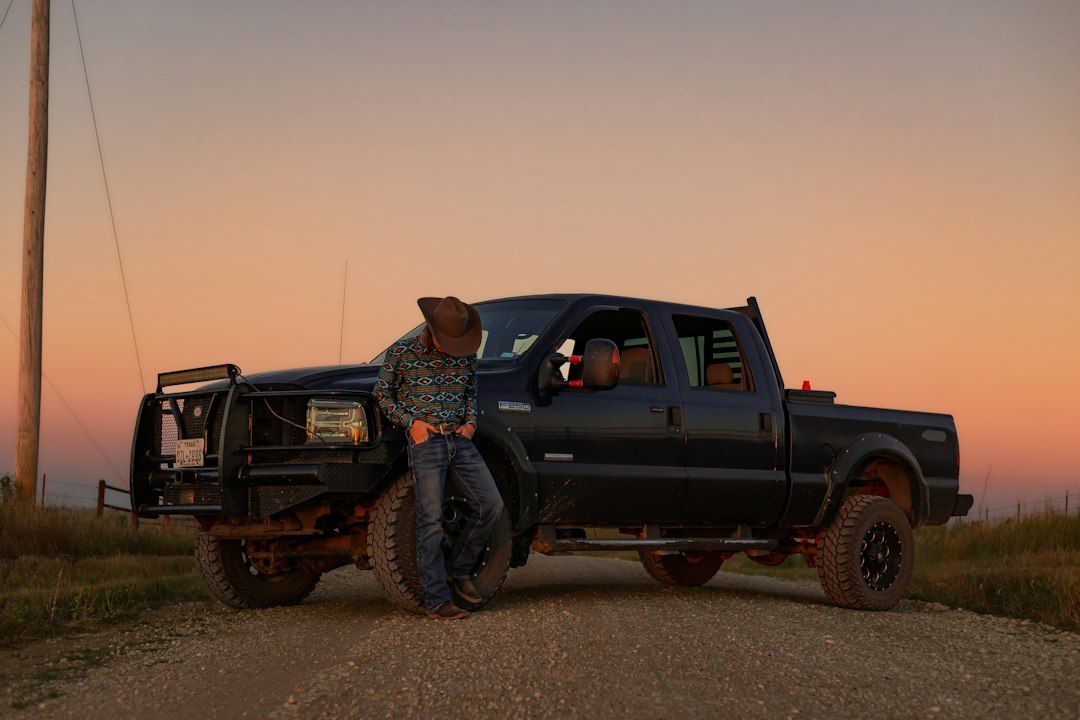
Commercial Auto Insurance for Texas Small Businesses: How Owned, Hired, and Non-Owned Vehicles Are Really Covered
If your Texas business is growing, your “vehicle situation” usually gets complicated before you realize it. One month you have a single company truck. The next month your team is using personal cars to run errands, you are renting a box truck for a weekend job, and you are reimbursing mileage left and right.
From an insurance agent’s perspective, this is exactly when gaps show up. A personal auto policy was not built to consistently protect a business, especially when multiple drivers and multiple vehicle types are involved. The good news is that a well-structured commercial auto policy can handle owned, hired, and non-owned vehicles. The key is setting it up intentionally, not just shopping for “cheap commercial auto insurance near me” and hoping it fits.
If you are still comparing the basics of auto coverage in our state, start with our broader Texas Auto Insurance Guide, then come back here to get the business-specific details right.
Why “Owned, Hired, and Non-Owned” Is the Core of Business Auto Coverage
Most commercial auto policies are built around a simple question: Which autos are “covered autos” for which coverages? In the industry, many carriers use ISO-style covered auto symbols to define that. The three that matter most for growing small businesses are:
-
Owned autos only (often shown as Symbol 2)
-
Hired autos only (often Symbol 8)
-
Non-owned autos only (often Symbol 9) In plain English:
-
Owned means titled to the business.
-
Hired usually means rented, leased, or borrowed (with important exceptions).
-
Non-owned usually means employee-owned or other autos your business uses but does not own, hire, rent, or borrow. Those “covered auto” definitions matter because the policy may cover liability for one class of autos but not another. That is why two businesses can both say they have “commercial automobile liability” but have very different real-world protection. (For a related liability discussion beyond autos, see our guide on General Liability and Umbrella Insurance for Texas Businesses.)
Also keep in mind: Texas still has a legal minimum for auto liability commonly referred to as 30/60/25 for bodily injury and property damage. The Texas Department of Insurance explains that minimum liability requirement in its consumer guidance. It is a starting point, not a target for most businesses with assets, employees, or contracts. (Source: Texas Department of Insurance on required minimum liability limits.)
Key Coverage Parts: What Your Commercial Auto Policy Does (and Does Not) Do
Owned Vehicles: The “Simple” Part That Still Gets Messed Up
Owned autos are your company vehicles: the pickup your foreman drives, the delivery van, the service truck, sometimes even a trailer depending on how it is scheduled and used.
A solid owned-auto setup usually includes:
-
Liability (your legal responsibility for injuries or property damage you cause)
-
Physical damage (comprehensive and collision, if you want to protect the vehicle itself)
-
Optional but common additions like uninsured and underinsured motorist coverage and medical payments or personal injury protection depending on the carrier and needs Where I see Texas small businesses get burned is not the concept of owned autos. It is the workflow:
-
They buy or sell vehicles and do not report changes promptly.
-
They let “whoever is free” drive, without confirming driver eligibility.
-
They assume tools, equipment, or cargo are automatically covered by the auto policy (often they are not, or coverage is limited). If you are combining multiple policies as you scale, our post on Home, Auto, and Life Insurance Bundles in Texas is helpful for personal lines, but business bundling requires a different strategy, especially once vehicles and employees are involved.
Hired Vehicles: Rentals, Leases, and Borrowed Autos (With a Big Employee Exception)
Hired autos typically include vehicles your business leases, hires, rents, or borrows. Think:
- A rented cargo van from a rental company
- A short-term box truck rental for a job
- A long-term leased vehicle in the company name Here is the catch that surprises business owners: hired auto definitions often exclude autos rented from employees or members of their households. That is one reason “I just pay my employee to use their truck” can be an insurance gray zone unless we structure it carefully.
In practice, hired auto coverage is usually about liability, not damage to the rental vehicle. If you rent vehicles often, you will want to review:
- Whether your policy includes hired auto liability
- Whether you need hired auto physical damage (sometimes available by endorsement)
- What the rental contract requires for limits and who must be listed as insured If you are searching for a “commercial auto insurance broker” to clean this up, this is one of the first areas we evaluate because it directly impacts contracts, certificates of insurance, and how claims get handled.
Non-Owned Vehicles: The Most Common Hidden Gap for Growing Businesses
Non-owned auto exposure is when your business is responsible for an accident involving a vehicle it does not own or rent.
Common examples in Texas include:
- An employee using their personal car to pick up supplies
- A manager driving to a client meeting in their own vehicle
- A team member running business errands in a spouse’s vehicle Non-owned auto coverage (often tied to Symbol 9 in ISO-style forms) is primarily about protecting the business for liability, not repairing the employee’s car. The employee’s personal auto policy is still typically the primary coverage for their vehicle, but your business can still get pulled into lawsuits. That is why we often recommend non-owned auto liability for businesses that have any regular “drive your own car for work” activity.
For a deeper look at how liability policies fit together for service businesses, see Texas Small Business Insurance Basics. And if you are actively searching “commercial general liability insurance near me,” understand that general liability and business auto liability solve different problems. General liability usually does not cover auto accidents, and commercial auto does not replace premises and operations coverage.
Practical Insights on Cost and Shopping: What Actually Drives Business Car Insurance Cost
Texas business owners often ask me two versions of the same question:
- “What is the business car insurance cost going to be?”
- “Can you find cheap commercial auto insurance near me?” Price matters, but commercial auto is one of those lines where underpricing early can cost you far more later in uncovered losses, contract issues, or a claim that turns into a coverage dispute.
Here are the biggest pricing drivers we see every day:
- Vehicle type and weight class (service trucks, vans, and heavy vehicles typically cost more to insure than sedans)
- Radius and territory (Houston metro driving risk is different than rural routes)
- Driver history and hiring practices
- Business operations (contractors, delivery, and transporting people or property changes the risk)
- Limits (higher liability limits, hired and non-owned, and umbrella layers increase premium but reduce catastrophic risk)
- Claims trends in the broader market On that last point, commercial auto has been a challenging line nationally. S&P Global reported that the commercial auto line posted a combined ratio above 100 in 2024, and commercial auto liability in particular remained unprofitable. That environment is one reason many businesses have felt premium pressure even when they have not had claims. (Source: S&P Global Market Intelligence commercial lines combined ratio discussion.)
My advice when people search “business auto insurance near me” is to treat the process like building a coverage blueprint:
- Identify owned, hired, and non-owned exposures.
- Confirm who drives, how often, and for what purpose.
- Match symbols and endorsements to how you actually operate, not how you wish you operated.
- Make sure certificates and contract requirements are realistic before you sign. If you want an example of how we approach “right coverage first, then price,” our post on How to Choose a Texas Insurance Agency lays out what to look for in an agency relationship, not just a quote.
Closing Thoughts: Build Your Commercial Auto Policy Like You Are Planning to Grow
Commercial auto insurance works best when it is designed for the business you are becoming, not just the business you were last year. Owned vehicles are usually straightforward. Hired vehicles require careful attention to rentals, leases, and contract language. Non-owned vehicles are where many Texas small businesses accidentally operate uninsured for key liability scenarios.
If you are unsure whether your policy properly addresses owned, hired, and non-owned vehicles, that is a good time to review. In our experience, a 15-minute conversation about how vehicles are actually used can prevent months of headaches after an accident.
Farmers Insurance - The West Agency
At Farmers Insurance - The West Agency, we have been helping Texans protect their businesses since 1991, and we have seen firsthand how quickly a small operation can outgrow a basic auto setup. If you are expanding your fleet, reimbursing employees for driving, renting vehicles for projects, or taking on contracts that require specific auto limits, we can help you structure commercial automobile liability the right way from the start.
Ready to take the next step? Contact us today for personalized assistance and let’s review your owned, hired, and non-owned vehicle exposures together. We will help you compare options clearly, avoid common coverage gaps, and build a plan that supports your next stage of growth with confidence. Your coverage. Our expertise. One stronger agency.
By Mike West & Team · Published 2/16/2026