
Houston Flood Insurance Myths and Facts
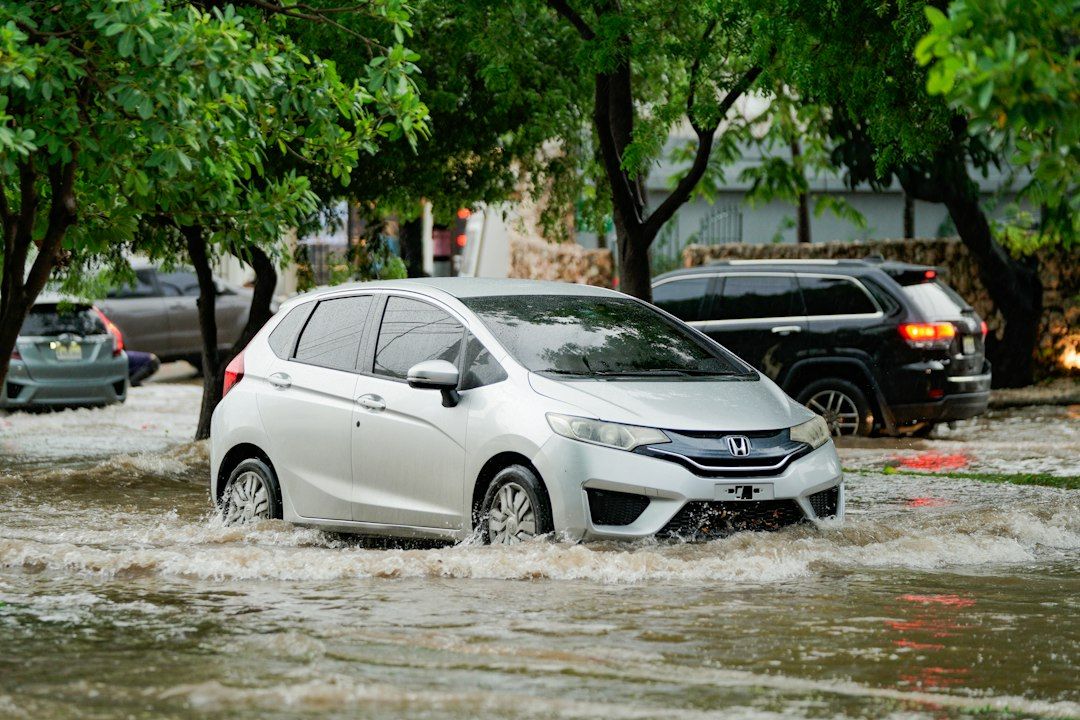
Houston sits just 50 feet above sea level, and rainfall from a single stalled thunderstorm can match the national average monthly total. Still, many residents assume their homeowners policy automatically covers flood damage or that they are “safe” outside a FEMA high-risk zone.
Introduction
Houston sits just 50 feet above sea level, and rainfall from a single stalled thunderstorm can match the national average monthly total. Still, many residents assume their homeowners policy automatically covers flood damage or that they are “safe” outside a FEMA high-risk zone. Those assumptions cost billions after Hurricane Harvey, when 80 percent of flooded properties lacked coverage. As a local agent who processed dozens of claims that year, I have seen firsthand how the right flood policy turns a crisis into an inconvenience. Let’s separate myth from fact and outline smart steps for protecting your home and wallet.
Why Flood Risk Is Everyone’s Problem
Houston’s vulnerability stems from flat topography, clay soil that sheds water, and rapid development that replaces wetlands with concrete. The Harris County Flood Control District reports that 60 percent of the county’s surface is now impervious, boosting runoff and flash-flood potential. Atlas 14 rainfall data, released by the National Oceanic and Atmospheric Administration (NOAA) in 2018, increased our 100-year storm estimate by 30 percent. Yet FEMA’s official maps have not fully caught up, leaving thousands of “low-risk” parcels in reality high-exposure areas.
Market impact:
- Average NFIP (National Flood Insurance Program) premium in Houston: $723 per year, according to FEMA 2023 data.
- Average Harvey claim payout: $117,000, nearly 160 times the typical annual premium.
- Private-market flood policies in Texas grew 24 percent last year (Insurance Information Institute) as carriers introduced flexible coverages and higher limits. State oversight helps. The Texas Department of Insurance requires private flood carriers to match or exceed NFIP consumer protections, fostering competition without sacrificing claim security. For homeowners, that means more options and faster underwriting decisions—policies can be bound in as little as two days, compared with the NFIP’s standard 30-day wait.
Core Coverage Elements and Real-World Lessons
Building Coverage
Pays to repair or rebuild the physical structure. The NFIP caps residential building limits at $250,000, while private insurers offer up to $2 million.
Example: A Westbury homeowner with a $400,000 dwelling took out a private policy in 2021; a 2023 bayou overflow caused $310,000 in damage, fully covered minus a $5,000 deductible.
Contents Coverage
Protects personal property such as furniture, appliances, and electronics. NFIP limit: $100,000; private carriers often provide higher limits and replacement-cost options.
Case study: After Tropical Storm Imelda, a renter in Midtown recovered $42,000 for ruined musical instruments through an excess contents rider, something unavailable through the NFIP.
Loss of Use/Additional Living Expenses
Covers temporary housing costs while repairs are made. Not offered by the NFIP but increasingly included in private policies. Local landlords have begun requiring tenants to carry policies with this feature.
Basement and Equipment Coverage
Both NFIP and private insurers limit coverage for items below grade. Elevating HVAC systems by even two feet can qualify you for a 5-10 percent premium discount.
Expert Insights and Actionable Advice
-
Don’t Rely on FEMA Maps Alone Cross-check flood exposure with Harris County Flood Education Mapping Tool and street-level inundation models from Rice University’s SSPEED Center.
-
Time Your Purchase Strategically The NFIP imposes a 30-day waiting period except for loan-related transactions. Private policies often carry just a 15-day wait, but bind ahead of hurricane season to avoid moratoriums once a storm enters the Gulf.
-
Elevation Certificates Still Matter Under FEMA’s Risk Rating 2.0, elevation certificates are optional, yet we see average savings of $350 annually when homeowners provide them. Consider hiring a licensed surveyor if your property sits higher than neighboring lots.
-
Consider Deductible Pairings Combining a $10,000 hurricane deductible on your homeowners policy with a modest $2,000 flood deductible balances cash-flow risk; we model scenarios to pinpoint the sweet spot for each client.
-
Inventory Your Contents Digitally Insurers accept smartphone videos and cloud-stored receipts. This simple habit accelerates claims and maximizes payouts.
Looking ahead, climate projections from the University of Texas predict a 15 percent increase in extreme rainfall events by 2040. Private carriers are already testing parametric flood products that pay a preset amount when water depths reach a trigger level. These could complement traditional policies and speed recovery even more.
Closing Thoughts
Flood insurance is not about odds but impact. The question is less “Will it flood here?” and more “How will I recover when it does?” A policy costing a few dollars per day can protect the equity you spent years building and spare you from FEMA disaster loans that must be repaid with interest. In a city carved by bayous and shaped by storms, true peace of mind starts with comprehensive flood coverage.
West Agency Insurance
Our Houston-based team matches NFIP and private flood options to your exact address, elevation, and budget. We explain waiting periods, decipher policy limits, and bundle coverage with your existing home or renters insurance for added savings. If you are refinancing, buying a new home, or simply questioning whether your current policy keeps pace with changing flood maps, connect with West Agency Insurance. Our complimentary, no-pressure review delivers clear answers and quotes in less than 24 hours, so you can face the next rainstorm with confidence.
By Mike West & Team · Published 9/24/2025