Liquor Liability Insurance for Texas Events: Hosts, Caterers, and Mobile Bartenders
Organizing a successful event in Texas requires coordinating countless moving parts. Whether you are planning a massive music festival in Austin, an elegant corporate gala in Dallas, or a beautiful wedding in The Woodlands, the details matter. However, the moment alcohol is added to the menu, the liability risk for everyone involved skyrockets.
Liquor Liability at Texas Events: Navigating the Risks
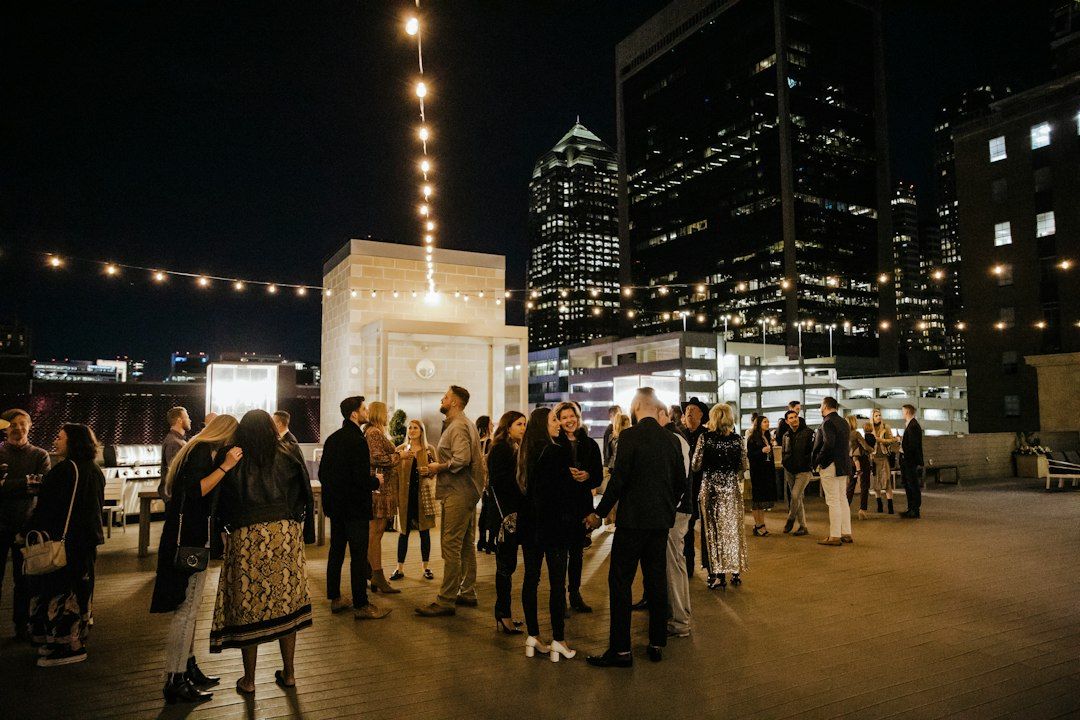
Organizing a successful event in Texas requires coordinating countless moving parts. Whether you are planning a massive music festival in Austin, an elegant corporate gala in Dallas, or a beautiful wedding in The Woodlands, the details matter. However, the moment alcohol is added to the menu, the liability risk for everyone involved skyrockets. From the host who books the venue to the caterer preparing the food and the mobile bartender mixing the drinks, everyone takes on a share of the legal exposure.
At The West Agency, we have spent over 30 years helping Texans navigate the complexities of liability. We have seen firsthand how a single alcohol-related incident can derail a successful business or financially devastate an event host. When an overserved guest causes property damage or gets behind the wheel and causes an accident, the legal fallout is severe. Understanding who is responsible for these claims and how to properly shield your assets is not just good business sense. It is absolutely essential for your peace of mind.
An Overview of Texas Liquor Laws and Event Liability
To understand your risk, you must first understand the legal landscape in Texas. The rules regarding alcohol liability generally fall into two categories depending on whether you are a licensed provider selling alcohol or a private host providing it for free.
The Texas Dram Shop Act is the primary law governing commercial alcohol sales. Under the Texas Alcoholic Beverage Code, any establishment or vendor with a liquor license can be held civilly liable for damages if they sell or serve alcohol to an obviously intoxicated person who subsequently causes harm. This law applies strictly to businesses that sell alcohol, including bars, restaurants, caterers, and paid mobile bartending services.
The legal standards surrounding these claims are constantly evolving. For example, a landmark 2025 Texas Supreme Court decision, Raoger Corporation v. Myers, significantly impacted how these cases are litigated. The court ruled that plaintiffs cannot rely solely on circumstantial evidence, such as post-accident blood alcohol testing, to prove a patron was "obviously intoxicated" at the time of service. Instead, direct observational evidence of the patron's condition is required. While this ruling strengthens the defense for alcohol providers, defending against a lawsuit still requires navigating a complex and highly expensive legal process. Without the right insurance in place, paying for legal defense fees alone can easily bankrupt a small business.
The rules are slightly different for private individuals hosting a party. Texas social host liability laws apply to private settings where alcohol is provided but not sold. Generally, Texas law is relatively lenient toward social hosts, meaning a host is typically not held liable for the actions of adult guests who consume alcohol. However, there is a massive and crucial exception: serving alcohol to minors. If a social host provides alcohol to an individual under the age of 21, or knowingly allows a minor to consume alcohol on their property, the host can be held entirely responsible for any resulting property damage, injuries, or fatalities.
Key Protections: Matching the Vendor to the Coverage
Because the legal responsibilities differ between hosts, caterers, and specialized drink vendors, the required insurance policies differ as well. The right coverage depends entirely on your role at the event and how the alcohol is being distributed.
Coverage for the Event Host
If you are an individual or a business hosting an event where alcohol is served for free, you need host liquor liability coverage. This protection is often bundled into a broader special event insurance policy. Host liquor liability is designed specifically for those who are not in the business of manufacturing, selling, or distributing alcohol.
For example, if your Houston-based tech company throws a holiday party and provides an open bar, your standard commercial liability policy might not cover an alcohol-related accident unless host liquor liability is explicitly included. Purchasing dedicated event liquor liability insurance is a non-negotiable step in your planning process to ensure your company assets remain protected.
Coverage for Mobile Bartenders
The mobile mixology industry is experiencing massive growth, with the global mobile bartender services market valued at nearly $1.8 billion in 2025. As this sector expands across Texas, freelance bartenders and portable bar businesses face unique and escalating risks.
If you are hired to serve drinks at a private party or corporate event, your standard general liability policy will not cover alcohol-related claims. General liability policies almost always contain a strict liquor liability exclusion for any business that generates profit from serving or selling alcohol. Instead, you must carry specialized mobile bartender insurance. This customized coverage bridges the gap, offering protection if you are accused of overserving a guest who later causes a drunk driving accident.
Coverage for Caterers and Food Vendors
Caterers and food truck operators face overlapping risks. Even if your primary focus is the menu, carrying comprehensive food vendors insurance is critical. If your catering contract includes providing the alcohol or organizing the bar service alongside the meal, you step into the role of a commercial provider.
We frequently see food vendors upgrade their services to include margaritas or craft beer without upgrading their insurance policies. This is a dangerous oversight. You must inform your insurance agent about the addition of alcohol sales so they can add full liquor liability coverage to your policy. For more information on protecting your catering or food truck business, you can review our guide on Texas events and mobile food vendors.
Unpacking Coverage Details and Dram Shop Insurance Cost
Budgeting for insurance is a necessary part of event planning and business management. Many of our clients in Houston, Dallas, and Austin ask us how to estimate their dram shop insurance cost before booking a venue or signing a contract.
The cost of liquor liability insurance is never a flat rate. Underwriters calculate your premium based on several specific risk factors. The most significant factor is the volume of alcohol sales compared to food sales. A vendor whose revenue is 80 percent liquor and 20 percent food will pay significantly higher premiums than a vendor with the opposite ratio. Other factors include the estimated attendance of the event, the length of the event, the type of alcohol being served, and your history of past claims.
We understand that balancing a budget is important, and the search for cheap small business liability insurance is common among new vendors. However, prioritizing the lowest possible price often results in policies filled with dangerous exclusions. A cut-rate policy might exclude coverage for assault and battery claims, which are unfortunately common in environments where alcohol is consumed. If a fight breaks out at your event and your policy excludes assault and battery, you will be paying for the damages and legal fees out of your own pocket.
It is also important to clarify the terminology around general liability. General liability insurance, which is occasionally referred to in the industry as business public liability insurance, protects against third-party slips, trips, and falls. If a guest trips over a speaker wire at your event and breaks their wrist, general liability responds. But if that same guest trips because they were overserved at your cash bar, the general liability policy will deny the claim, and your liquor liability policy will have to step in. Both coverages are required to fully protect an event operation. You can learn more about finding the right balance of price and protection in our guide on finding the best and most affordable liability coverage.
Expert Insights on Risk Management for Texas Events
Insurance is your ultimate safety net, but proactive risk management is your first line of defense. In our decades of experience protecting Texas businesses, we have found that the most successful event hosts and vendors take active steps to minimize their exposure before the first drink is ever poured.
First, ensure that every single person serving alcohol at your event is certified by the Texas Alcoholic Beverage Commission (TABC). TABC certification trains bartenders to spot the early signs of intoxication, verify identification properly, and handle difficult situations when a guest needs to be cut off. Having a fully certified staff also provides legal protections under the "Safe Harbor" defense in Texas, which can shield an employer from liability if an employee breaks the rules despite proper training and policies.
Second, control the environment. Do not offer self-serve alcohol stations or unmonitored kegs, as these make it impossible to track how much guests are consuming. Implement strict cutoff times, such as closing the bar an hour before the event ends, and serve plenty of food and non-alcoholic beverages to help slow down alcohol absorption.
Third, transfer the risk whenever possible. If you are an event host hiring a caterer or a mobile bartender, require them to name you as an "additional insured" on their liquor liability policy. This legal endorsement ensures that if a lawsuit is filed due to the bartender's negligence, the bartender's insurance will help cover your legal defense as the host. Always request a Certificate of Insurance from every vendor before they set foot on the property.
Finally, consider your overarching liability limits. A standard policy limit of one million dollars might sound like a lot of money, but severe alcohol-related accidents can result in multi-million dollar settlements. We highly recommend exploring umbrella policies that provide extra layers of liability protection. You can explore how these policies interact by reading our breakdown of commercial general liability and umbrella coverage.
Common Misconceptions About Event Alcohol Liability
Navigating event liability is tricky, and we frequently encounter dangerous misconceptions among our clients. Clearing up these myths is vital for keeping your business and personal assets safe.
One of the most persistent myths is the idea that hosting a "BYOB" (Bring Your Own Beverage) event eliminates your liability. Many event organizers believe that if they do not purchase or serve the alcohol, they cannot be held responsible. This is false. Even if guests bring their own alcohol, you are still managing the premises and the event. If an intoxicated guest injures someone on your property, you can still face a premises liability lawsuit for failing to maintain a safe environment. You still need appropriate event liability coverage.
Another common misconception is that hiring a professional, insured bartender completely absorbs the host of all responsibility. While hiring a professional is absolutely the best practice, it does not create a magical force field around the host. If the bartender overserves a guest, the injured party's lawyer will almost certainly sue the bartender, the venue, and the event host all at once. Having your own host liquor liability coverage is the only way to ensure your legal defense is funded. For more details on how various hospitality businesses handle these shared risks, check our resource on event and hospitality insurance coverage.
Lastly, many small business owners assume their existing business insurance will cover special off-site events. If you own a restaurant in Frisco and decide to run a pop-up bar at a local music festival, your restaurant's liquor liability policy might only cover incidents that happen at your physical restaurant address. You must verify whether your policy extends to off-premises operations or if you need a separate event policy. If you are unsure about what your current policy covers, we encourage you to review our business insurance solutions and schedule a policy review.
Conclusion
Serving alcohol at an event is a great way to celebrate, but it introduces serious financial and legal risks that cannot be ignored. Texas laws are clear about the responsibilities placed on commercial alcohol providers, and the legal environment requires vendors and hosts to be fully prepared. Whether you are an individual hosting a backyard wedding, a mobile bartender building a new brand, or an established catering company expanding your services, having the correct liability coverage is the only way to safeguard everything you have built.
By understanding the differences between host liquor liability and commercial dram shop coverage, accurately budgeting for your insurance costs, and practicing strict risk management, you can focus on delivering an incredible experience for your guests. You do not have to navigate these complex insurance requirements alone.
Ready to Take the Next Step?
At Farmers Insurance - The West Agency, we know that planning an event or running a hospitality business in Texas comes with unique challenges. Ready to take the next step? Contact us today for personalized assistance and discover how we can help you achieve your goals. Your success is our priority, and we are here to support you every step of the way.
Whether you need a quick policy review or a comprehensive liability package tailored to your next big event, our experienced team is ready to deliver honest, expert counsel. Let us handle the complexities of your coverage so you can focus on what you do best. Get in touch with our team and request a customized quote by visiting us at /. Your coverage. Our expertise. One stronger agency.
By Mike West & Team · Published 7/6/2026