
Contractor and Construction Business Insurance in Texas: Costs and Coverage
On a construction site, small mistakes rarely stay small. A ladder tips onto a client’s car, a pipe bursts after installation, or a worker falls and needs surgery. I have watched each of those situations turn into five and six figure claims for Texas contractors who thought they were “small enough” to fly under the radar.
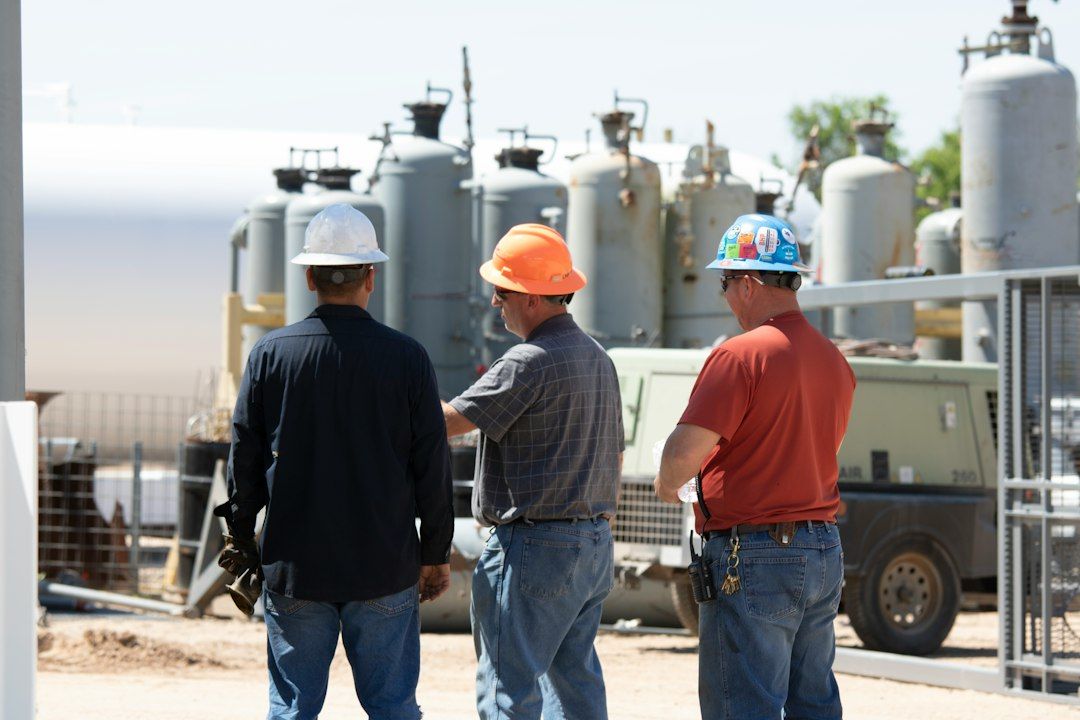
Introduction: The Real Cost of Risk for Texas Contractors
On a construction site, small mistakes rarely stay small. A ladder tips onto a client’s car, a pipe bursts after installation, or a worker falls and needs surgery. I have watched each of those scenarios turn into five and six figure claims for Texas contractors who thought they were “small enough” to fly under the radar.
Contractor and construction business insurance is what keeps one accident from wiping out years of hard work. In this guide, I will walk through the coverages most Texas contractors need, how they work, and what the general contractor insurance cost really looks like in the real world.
The Basics: How Contractor & Construction Insurance Works in Texas
Construction is routinely listed by OSHA as one of the most hazardous industries in the country. Federal safety data often shows that roughly 1 in 5 worker fatalities in private industry happen in construction. At the same time, a study by The Hartford found that about 4 in 10 small businesses will experience a property or liability claim over a 10 year period.
Put those two facts together and the risk picture for Texas contractors is clear: it is not a matter of if something goes wrong, but when.
In Texas, insurance is shaped by a few key realities:
-
Workers compensation is generally optional for private employers. Texas is one of the few states where most private employers are not legally required to carry workers compensation insurance. There are important exceptions, especially for government contracts and some public construction projects, and many general contractors require subs to carry it by contract. Even when it is not required by law, going without workers compensation can expose you to large out-of-pocket medical bills and lawsuits from injured workers.
-
Liability risk is driven by contracts as much as by law. Many Texas general contractors, developers, and commercial property owners will not hire a subcontractor unless that sub carries:
- Construction general liability insurance
- Proof of limits at or above a specific amount
- Certificates of insurance naming them as an additional insured
-
Auto, tools, and in-progress work need dedicated protection. Personal auto policies usually exclude business use of trucks and vans. Tools and equipment left in a trailer are often not covered by a standard property policy. And the structure you are building is not fully covered by the customer’s homeowners insurance until it is complete. So when we talk about the cost of contractor insurance, we are really talking about a package of coverages that work together:
-
General liability insurance for construction to handle third party injuries or property damage
-
Workers compensation for employee injuries and lost wages
-
Commercial auto for trucks, vans, and trailers
-
Tools and equipment coverage (often called inland marine)
-
Builder’s risk for structures under construction
-
Optional add ons like professional liability, cyber, or an umbrella policy If you want a broader foundation before we get more specific, our overview of Texas small business insurance basics is a helpful companion to this guide.
Core Coverages Every Texas Contractor Should Consider
Different trades face different risks, but almost every construction or trade business needs some version of the coverages below.
1. Builders General Liability Insurance
Builders general liability insurance (also called construction general liability insurance) is usually the first policy I recommend for contractors and trades. It protects your business if someone alleges that your work or operations caused:
-
Bodily injury (for example, a client trips over your cords and breaks a wrist)
-
Property damage (your crew cracks a marble countertop while installing cabinets)
-
Personal or advertising injury (libel, slander, or certain advertising disputes) Typical claims I have seen paid under general liability insurance for builders include:
-
A painter oversprays onto parked cars at a shopping center
-
A plumber’s repair fails, causing water damage in a Houston high rise
-
A roofer’s falling debris damages a neighbor’s property If you want to go deeper into this coverage, see our article on general liability insurance in Texas, from sole proprietors to growing companies.
2. Workers Compensation (Or Alternatives)
Workers compensation covers medical costs, a portion of lost wages, and certain disability benefits when employees are injured on the job.
In Texas, you may hear about going “non-subscriber,” meaning operating without workers compensation. While this is allowed for many private employers, it comes with serious trade-offs:
- You can be sued by injured employees, even if you were only partly at fault.
- Some general contractors will not hire you if you do not carry workers compensation.
- You may need alternative plans such as occupational accident policies and well-drafted liability waivers, which still may not match the protection of a traditional workers compensation policy. For crews doing roofing, framing, concrete, steel, or other high-risk work, I strongly recommend pricing workers comp as part of your overall risk strategy.
3. Commercial Auto Insurance
Any truck or van titled to the business or used regularly for work should be on a commercial auto policy. Texas minimum liability limits are often not enough for contractors hauling materials, trailers, or crews.
Commercial auto can cover:
- Liability if your driver injures someone or damages their property
- Physical damage to your business vehicles
- Optional coverage for hired and non-owned autos (employee vehicles used for business) For many contractors, vehicle accidents are one of the most frequent sources of large claims.
4. Tools, Equipment, and Installation Floater
Your tools, generators, compressors, and small equipment are the backbone of your operation. Standard property policies often do not cover items once they leave your main business location.
Contractors usually protect these assets with:
- Tools and equipment coverage (contractors equipment or inland marine)
- An installation floater that covers materials and fixtures from the moment you take possession until they are installed and accepted by the client The cost to replace stolen tools out of pocket can easily exceed a year or two of premiums, especially with current prices for power tools and copper.
5. Builder’s Risk Insurance
Builder’s risk covers the structure and materials during construction or renovation. It typically protects against:
- Fire, theft, and some types of weather damage
- Vandalism and certain accidental losses On a custom home or commercial build, the GC, owner, or lender will often require builder’s risk, especially when the value of materials on site climbs into the hundreds of thousands of dollars.
Our guide to contractor and trades liability insurance in Texas explains how builder’s risk pairs with liability coverage on more complex projects.
6. Professional Liability and Umbrella
If you design as well as build, provide consulting, or manage subs, a professional liability policy (errors and omissions) can cover claims that your advice or design caused a financial loss.
An umbrella policy sits on top of your general liability, commercial auto, and sometimes employers liability to increase limits across the board, which is valuable when you work on large commercial or multi family projects. You can read more in our article on general liability and umbrella insurance for Texas businesses.
What Does Contractor Insurance Cost in Texas?
Online you will see many articles quoting the “average cost of business insurance.” Those figures can be misleading for contractors because they blend low risk offices with higher risk trades. The general contractor insurance cost for a Houston remodeler bears little resemblance to the premium for a solo bookkeeper.
From what I see daily as a Texas insurance agent, here is how the cost of contractor insurance typically breaks down for small and mid-sized firms.
1. Key Factors That Drive Premiums
Regardless of trade, most carriers look closely at:
- Type of work (roofing vs interior trim vs residential cleaning)
- Annual gross receipts and payroll
- Number of employees and subcontractors
- Claims history and safety practices
- Limits of insurance and deductibles
- Where you operate (for example, coastal vs inland, urban vs rural) This is why two drywall companies can see very different prices even if they look similar on paper.
2. General Liability Insurance Costs for Construction
For small and mid-sized contractors in Texas, it is common to see annual premiums for general liability fall somewhere in these broad ranges:
- Smaller, lower risk trades (handyman services, interior carpentry): often in the low thousands per year for standard limits
- Moderate risk trades (plumbing, electrical, HVAC, remodeling): often in the low to mid thousands per year
- Higher risk trades (roofing, structural concrete, steel): often higher, especially for firms with employees working at height or on big commercial sites Industry market data from national brokers like Insureon and Hiscox generally supports this pattern: many lower risk small businesses pay under one thousand dollars per year for basic liability, while higher exposure trades pay more.
When you hear people talk about the “average cost of business insurance” being a few hundred dollars a year, they are usually not talking about general liability insurance for construction or other high exposure industries.
3. Workers Compensation and Payroll
Workers compensation is largely driven by:
- Your total payroll
- Your trade classification
- Experience rating (claims history) High wage trades with more severe injury potential, such as roofing or concrete, will naturally see higher per dollar payroll costs than lower risk, ground level trades. Good safety programs and return to work plans can help control these costs over time.
4. Other Trades: Cleaning Crews and Photographers
Many construction projects involve related trades that sometimes assume they are “too small” to need coverage:
- Insurance for cleaning company operations. Post construction cleaning crews face risks from wet floors, ladder use, broken glass, and chemical exposure. A janitorial or cleaning contractor may see general liability premiums similar to or slightly below other interior trades, but they still need coverage to satisfy contracts and protect against slip and fall claims.
- General liability insurance for photographers. Real estate and construction progress photographers who work on active sites can be pulled into claims if a client trips on their equipment or alleges property damage. Their risk profile is usually lower than heavy trades, but they still often need proof of insurance to work with larger builders or commercial clients. Our article on insurance for beauty, wellness, and creative professionals in Texas covers some of these issues for creative fields.
5. Getting a Real Commercial General Liability Insurance Quote
The only way to know your true cost of contractor insurance is to request a tailored commercial general liability insurance quote along with the other coverages you need. A good agent will:
- Review your contracts and bid requirements
- Ask detailed questions about your work mix and safety practices
- Explain where you can adjust limits or deductibles to manage premiums
- Look for credits and package discounts when combining policies If you want a broader picture of how all these pieces fit together for growing firms, our overview of business insurance solutions for Texas companies is a useful next step.
Pulling It Together: Building a Smarter Insurance Plan
Contractor and construction business insurance in Texas is not just about satisfying a bid requirement. It is about protecting your cash flow, your reputation, and your ability to keep working when something goes wrong.
General liability, workers compensation, commercial auto, tools and equipment, and builder’s risk all play different roles. Skimping too much on one often shifts risk onto another, or worse, back onto your own balance sheet. At the same time, you do not need every policy at the maximum limit on day one.
The right approach is to match coverage to your real risk: the size of your projects, the trades you perform, your crew size, and your long term goals. With a clear picture of your operations and an honest discussion about budget, it is possible to build a solid protection plan without breaking the bank.
Farmers Insurance - The West Agency
If you are a contractor, trade professional, or construction business owner in Texas, you do not need a cookie cutter policy pulled from an online drop-down menu. You need someone who understands how your bids, subs, tools, and schedules actually work, whether you build in Houston, Dallas, San Antonio, Austin, El Paso, or anywhere in between.
At Farmers Insurance - The West Agency, our team has spent decades helping Texas builders, remodelers, specialty trades, cleaning companies, and creative professionals balance coverage with cost. We will walk through your projects, review your contracts, and design a package that fits your risk today and grows with you tomorrow.
Ready to see where you stand? Request a customized commercial general liability insurance quote, ask us to review your current policies, or schedule a planning call. Start by exploring our About page, see what other business owners say on our Reviews, or reach out directly through our Contact page. We are here to help you protect your work, your people, and your future.
By Mike West & Team · Published 1/6/2026