
Buying a Coastal Texas Home? Check Its Windstorm Certificates Before Closing
A new roof doesn’t tell you whether it was certified. Learn how to check coastal windstorm records and confirm insurance before you close.
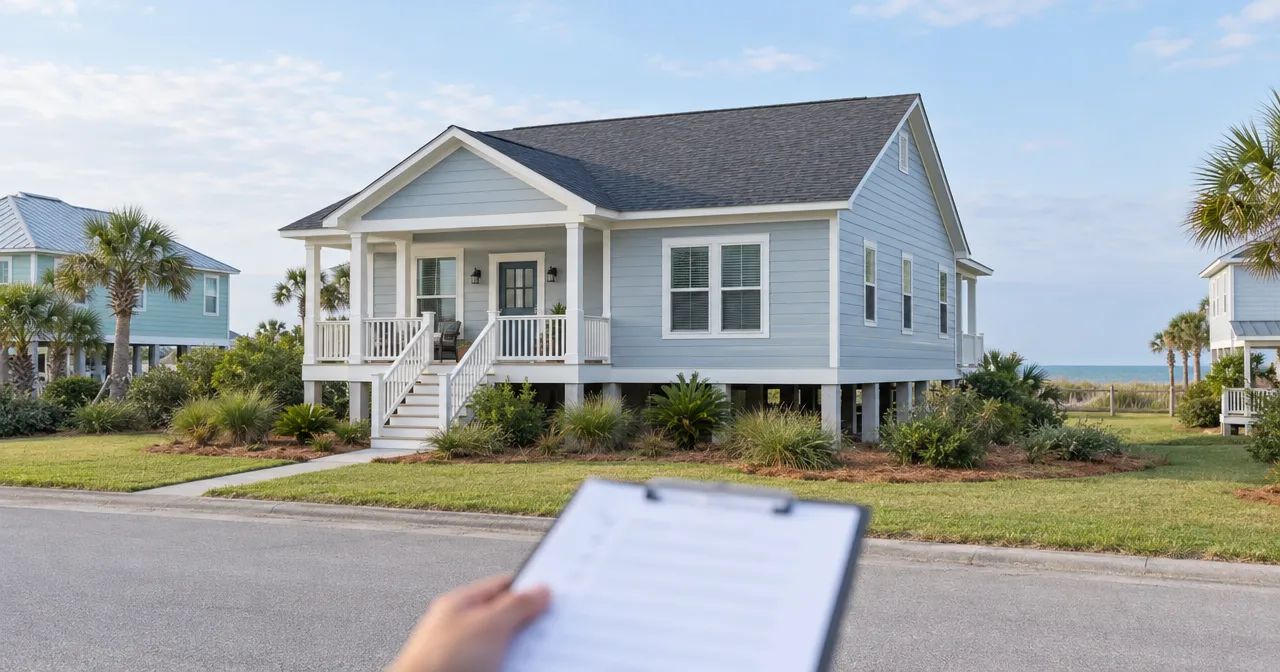
A seller near Brownsville tells you the roof was replaced two years ago. The invoice gives the installation date, and the roof looks good in the home inspection photos. Then your insurance agent asks for the windstorm certificate for the reroof. The seller sends a certificate from when the house was built. Does that cover the new roof? Not by itself. You need to know what work the certificate actually describes.
If you’re counting on a policy from the Texas Windstorm Insurance Association (TWIA), checking that paperwork early can give you time to resolve a missing record or compare another option. The time to start is when you have an address and a list of recent improvements, not when the lender is waiting for proof of coverage.
Find out where wind and hail coverage would come from
Start with a quote for the exact street address. Ask whether the proposed homeowners policy includes wind and hail, or whether it specifically excludes those losses. If wind and hail are excluded, ask what separate coverage is available. TWIA is an insurer of last resort for eligible properties in Texas’s designated coastal areas. Its service area includes 14 coastal counties and certain parts of Harris County east of Highway 146. Don’t use a Houston mailing address or the distance from the beach as a substitute for checking the property itself.
If your last home was in Kingwood, Austin, or Frisco, you might be used to seeing wind and hail on the same policy as fire and theft. A coastal purchase may involve three policies: homeowners, wind and hail, and flood. Ask the agent which one covers what, and do not assume that the word hurricane means both wind damage and storm surge are insured. TWIA covers wind and hail, not flooding. An inland buyer should still check whether wind and hail are included, what the deductible is, and whether separate flood coverage makes sense for the property.
A location within TWIA’s service area is only the first check. The TWIA eligibility guide also describes the certificate requirement, the need for a denial from at least one authorized insurer actively writing or renewing wind and hail coverage in the designated area, property condition requirements, and a flood coverage requirement for certain properties. Ask your agent what applies to your purchase instead of treating a certificate as approval for a policy.
Match each certificate to the work it describes
A windstorm Certificate of Compliance shows that the construction described in the record met applicable windstorm building standards. The forms you’ll most often see are WPI-8 for work inspected while construction was underway and WPI-8-E for completed work. Older records may also include a WPI-8-C, which TWIA issued for completed construction during a period when it handled that process. A certificate isn’t a policy, a roof warranty, or a report on the property’s current condition.
Use TWIA’s certification and lookup guide to find the right search tool. The Texas Department of Insurance (TDI) keeps its own records. If you’re looking for a WPI-8-C from 2017 through May 2020, check TWIA’s separate lookup; those certificates aren’t in TDI’s database. Start with the address on the property documents. If nothing comes up, ask the seller for a certificate number and any earlier address used for the property. Compare the address, date, structure, and description of work with the seller’s invoices, permits, and list of improvements. If you can’t tell what a record covers, ask your agent or TDI for help identifying it.
For example, the original house might have a certificate, but the reroof, replacement windows, and detached garage may each have been done years later. Make a short list of those projects and mark which ones have matching records, which are still being checked, and which structures you want covered. A certificate for the garage doesn’t answer a question about the roof on the house. Likewise, a permit or a paid invoice can help establish what work was done and when, but it doesn’t stand in for a windstorm certificate if one is required.
Not every repair requires an inspection. TDI’s windstorm inspection guide distinguishes full roof replacements from smaller jobs, such as a repair covering less than 100 square feet that doesn’t involve the roof decking or framing. If the seller says the roof was “repaired,” ask for the scope. A small patch to the shingles is a different project from replacing the roofing across the house. Let TDI or your agent help determine which rules apply to the actual work.
If a record is missing, find out why before you make a plan
No search result doesn’t necessarily mean the work failed inspection. Start by asking the seller and contractor for the certificate number, application or inspection paperwork, and any correspondence about the project. Then have your agent confirm whether the job needed certification and whether the carrier needs more documentation. You’re trying to separate a lookup problem from work that was never certified.
If the work required certification and was completed without it, don’t assume that someone can sign off after a quick walk-through. For the TDI completed-construction process, the owner works with a Texas-licensed professional engineer. TDI requires a signed application and either a sealed design or a sealed inspection report with supporting documentation. If the engineer can’t verify the work, corrections may be necessary. Ask what evidence is usable, what the evaluation would cost, and when a certificate could realistically be issued. A finished-looking roof may conceal the details the engineer needs to verify.
TWIA describes limited exceptions to its certification requirement for some residential properties. If the seller says the home was insured without a certificate, ask your agent whether an exception actually applies to your application and what paperwork would support it. The fact that a prior owner had coverage doesn’t answer either question.
Suppose the seller finds the original certificate but confirms there’s none for a later full reroof. Give your agent the contractor’s scope and the approximate dates of the work. Ask what’s needed for the proposed wind policy and whether another insurer would cover wind and hail at the address on acceptable terms. If certification or repairs could take longer than the time available, discuss your options and deadlines with your real estate professional and lender. A seller’s offer to pay for an inspection after closing may help with the inspection bill; it doesn’t tell you whether wind coverage will be in place when you take ownership.
Compare coverage at the price and deductible you’d actually pay
Once the records are accounted for, review the proposed policies together. A certificate doesn’t set the dwelling limit, reduce the deductible, or tell you how a damaged roof would be valued. Here’s what to ask for before relying on the quote:
- Rebuilding estimate and covered structures. Check that the estimate reflects the home you’re buying, including details such as elevated construction or custom finishes. The price you paid includes land and reflects the market; it isn’t a reconstruction estimate. Confirm whether detached structures you care about are insured and ask how the policy handles code upgrades after a covered loss.
- Deductibles in dollars. If the wind deductible is 2% of a $450,000 dwelling limit, it’s $9,000 in this example, not 2% of the repair bill. Ask which limit the percentage applies to and whether a different deductible applies to named storms or hurricanes under the quoted forms. Consider what you could pay after closing, when you may also be paying for moving and repairs.
- Roof settlement and exclusions. Ask whether covered roof damage would be valued at replacement cost, actual cash value, or under a roof payment schedule. Actual cash value accounts for depreciation. Also ask about any exclusions or limitations specific to the roof. TDI’s homeowners insurance guide explains the distinctions between the dwelling amount, deductibles, and how property losses are paid.
- Flood coverage and its start date. Ask about building and contents limits, deductibles, and when the policy can take effect. Under the TWIA flood insurance requirement, three things matter: whether any part of the property is in a specified coastal V flood zone, whether federal flood insurance is available there, and whether the structure was built or substantially changed within the applicable period beginning in September 2009. The type of work matters: replacing shingles can require a windstorm certificate without triggering the flood rule, while changing the roof pitch can count as an alteration. Have your agent check the rule separately from the lender’s requirements. Even if neither requires flood insurance, ask about protection for storm surge or rising water.
When comparing two quotes, write down the combined premium for the policies you’d actually need. Then compare the amount you’d have to pay after a covered wind loss and what each policy would leave uninsured. A homeowners quote that excludes wind and hail may look inexpensive on its own, but it’s not a like-for-like comparison with a quote that includes them.
Get proof of coverage before closing, then keep the records
Early in the purchase, give your agent the exact address, the list of improvements, the seller’s records, and your proposed closing date. Keep a short list of open items: which certificate is missing, who’s looking for it, what the carrier still needs, and when the lender needs evidence of insurance. If the date moves, tell your agent so the timing of the policies can be checked again.
Before signing, ask whether the policies have been bound or issued, what proof the lender needs, and the effective date of each policy. A quote or a certificate in your email isn’t confirmation that coverage is in force. Don’t assume that the seller’s coverage will carry over to you. Confirm who is insured and whether any outstanding requirement could prevent coverage from starting on time.
After closing, save the certificates alongside the policy documents and contractor records. If you plan a new roof, addition, or other exterior work, ask whether it requires windstorm inspection before work begins. For ongoing work, a TDI inspector or an engineer appointed by TDI can inspect as the job progresses. Specify in the written scope who will arrange the inspection and ask when it needs to happen so work that has to be seen isn’t covered up first. Request a copy of the certificate once it’s issued and keep it for your next insurance review or sale.
If you’re buying or renovating a coastal Texas home, contact West Agency Insurance for a coverage review or quote. Share the address, planned closing date or project timeline, and the records you already have. The Kingwood-based team can help you understand what your property needs and compare suitable home, windstorm, and flood options.