Top-Rated Car Insurance Carriers Texas Drivers Should Know
Every Texas driver knows that our roadways demand serious respect. Navigating Interstate 45 through downtown Houston at rush hour, cruising I‑35 between Austin and Dallas, or crossing the open expanses toward El Paso puts any vehicle to the test. Add baseball-sized hail, flash floods, and one in eight drivers uninsured, and your vehicle protection becomes one of your most critical financial safeguards.
What Truly Defines a Top-Rated Auto Insurer in Texas
Every Texas driver knows that our roadways demand serious respect. Navigating Interstate 45 through downtown Houston during rush hour, cruising Interstate 35 between Austin and Dallas, or crossing the open expanses toward El Paso puts any vehicle to the test. When you add baseball-sized spring hailstorms in North Texas, sudden flash floods along the Gulf Coast, and an estimated one in eight uninsured drivers across the state, your vehicle protection becomes one of your most critical financial safeguards.
Yet, when drivers begin looking for the top car insurance, they are often bombarded by splashy television commercials, cartoon mascots, and catchy slogans promising rock-bottom monthly rates in fifteen minutes. In our more than three decades of guiding Texas families and businesses, we have learned that cheap monthly pricing rarely equals a top-rated carrier when you are standing on the shoulder of a highway after a collision.
A genuinely top-rated auto carrier is defined by four core pillars: rock-solid financial strength, a proven record of fair and prompt claims handling, policy flexibility that adapts to real-world vehicle use, and dedicated claims advocacy. Finding the best insurance for your car means looking behind the marketing curtain to evaluate how an insurer performs during your most stressful moments. Whether you commute across the metroplex or operate a family vehicle fleet in Tomball or The Woodlands, knowing what sets elite carriers apart is the first step toward lasting peace of mind.
The Texas Driving Environment: Why Carrier Quality Matters More Here
Operating a vehicle in Texas carries risks that drivers in many other states simply never encounter. To understand why carrier quality matters, one must look at the specific environmental and legal factors that shape Texas auto claims.
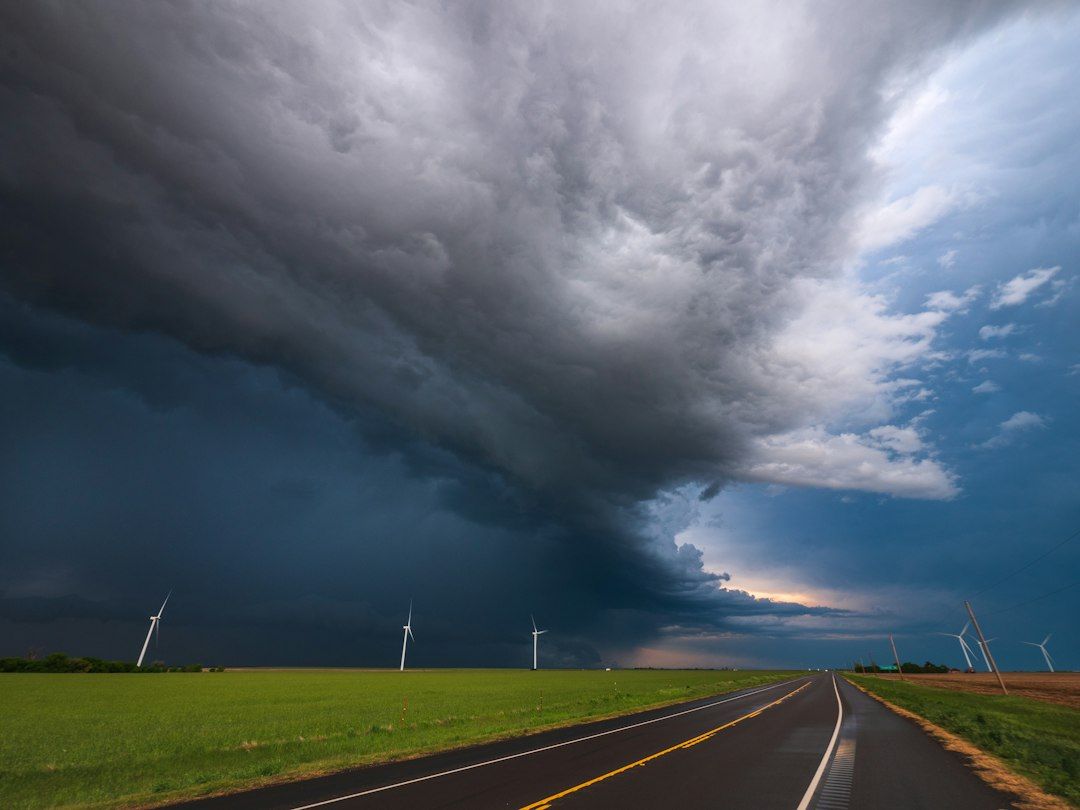
First, severe convective storms produce catastrophic weather events year after year. Texas consistently leads the nation in hail damage claims. A single ten-minute hailstorm in Frisco, San Antonio, or Fort Worth can total thousands of vehicles simultaneously. When hail hammers a community, fly-by-night insurance companies often face liquidity crunches or lack the field adjuster networks needed to inspect vehicles quickly. Top-tier carriers, by contrast, deploy mobile catastrophe response units and rapid digital appraisal tools within hours, ensuring repairs begin before local body shops become backlogged for months.
Second, Texas is a fault-based tort state with high highway speeds and significant traffic density. While the state sets statutory financial responsibility limits at $30,000 for bodily injury per person, $60,000 per accident, and $25,000 for property damage (commonly called 30/60/25), these numbers fall drastically short against modern vehicle values. If an at-fault driver carrying only minimum limits totals your new pickup truck or luxury SUV, their carrier will cap payment at $25,000, leaving you to absorb the rest unless your own insurer steps in with robust collision and underinsured motorist protections. Reviewing Texas minimum liability car insurance vs. recommended coverage limits demonstrates why selecting an insurer with sophisticated coverage tiers is essential.
Third, regulatory oversight in Texas gives consumers a clear window into how insurers treat their customers. The Texas Department of Insurance tracks consumer complaints and calculates a complaint index for every licensed auto insurer. The statewide average index is set at 1.00. A carrier with an index above 1.00 receives more complaints than average relative to its market share, whereas an index below 1.00 indicates a cleaner service record. When analyzing the top car insurances operating in the Lone Star State, examining these verified complaint indices is far more revealing than reading online star reviews.
Under Chapter 542 of the Texas Insurance Code, known as the Prompt Payment of Claims Act, insurers are legally obligated to acknowledge receipt of a claim, initiate investigation, and request documentation within fifteen calendar days. They must then accept or reject the claim within fifteen business days after receiving all requested items. Top-rated insurers do not just comply with these legal deadlines; they actively beat them because their operational infrastructure is designed for speed and consumer transparency.
Four Core Pillars That Distinguish Top Vehicle Insurers
Household budgets are closely scrutinized, making it tempting to evaluate carriers purely on price. However, the best auto car insurance policies earn their reputation through four structural advantages that become apparent long after the initial policy is written.
1. Superior Financial Solvency and Capital Reserves
Before an insurance carrier can protect your assets, it must protect its own balance sheet. If a catastrophic hurricane strikes the Texas coast or an ice storm paralyzes the Dallas-Fort Worth metroplex, an insurer must absorb tens of millions of dollars in losses without delaying settlement checks.
The benchmark for financial health is established by credit rating agencies like AM Best, which evaluate an insurer's balance sheet strength, operating performance, and enterprise risk profile. Top-tier carriers consistently maintain ratings in the "Excellent" (A and A-) or "Superior" (A+ and A++) categories. When an insurance company holds an A rating or higher, you can trust that it maintains deep capital reserves and reinsurance agreements capable of withstanding systemic economic shocks and severe weather crises.
2. Streamlined, Fair Claims Resolution
A policy contract is essentially a carrier's promise to pay when covered losses occur. Top-rated carriers stand apart in how smoothly they execute that promise. Independent benchmark studies, such as the J.D. Power U.S. Auto Claims Satisfaction Study, assess customer satisfaction across critical touchpoints:
- First notice of loss ease
- Initial damage assessment accuracy
- Direct repair program shop coordination
- Rental car reservation timeliness
- Final settlement fairness When evaluating how to choose the best vehicle insurance, pay attention to the carrier's repair network. Leading carriers build partnerships with certified body shops across major Texas metro areas, guaranteeing that work performed meets manufacturer specifications. They also offer flexible options for photo-based estimates on minor damage, expediting payout within twenty-four to forty-eight hours while preserving your right to an in-person supplemental inspection if hidden damage is discovered upon teardown.
3. Comprehensive and Specialized Policy Endorsements
Standard personal auto policies contain notable exclusions that can catch policyholders off guard. Premier vehicle insurers distinguish themselves by offering customizable endorsements that solve specific coverage shortfalls. Understanding what best car insurance coverage really means for Texas drivers requires looking at these specialized endorsements:
- Original Equipment Manufacturer (OEM) parts endorsements: Standard policies often specify the use of aftermarket or recycled parts for collision repairs. Top carriers allow you to add OEM endorsements, guaranteeing factory-original replacement parts for newer vehicles.
- Auto loan or lease gap protection: With vehicle depreciation occurring rapidly in the first two years of ownership, gap coverage pays the difference between the vehicle's actual cash value and the remaining loan balance if it is declared a total loss.
- Enhanced roadside assistance and trip interruption: Beyond basic battery jumps and tire changes, leading carriers cover extensive towing mileage and reimburse lodging and meals if a mechanical breakdown or covered accident occurs far from home.
- Personal Injury Protection (PIP) and Uninsured/Underinsured Motorist (UM/UIM) expansions: While Texas requires carriers to offer PIP and UM/UIM coverage, top carriers make it straightforward to select limits that match your primary liability limits rather than dropping back down to statutory minimums.
- Transportation expense and rental car upgrades: Premium carriers allow policyholders to set daily rental car allowances high enough to secure a vehicle comparable to their own, ensuring that a family of six is not forced into a compact sedan while their three-row SUV undergoes repairs.
4. Dedicated Professional Guidance Versus Call-Center Routing
When an accident happens, the last thing you need is navigating a generic automated phone tree or explaining your circumstances to a rotating roster of out-of-state representatives who do not understand Texas traffic corridors.
Top-tier insurers maintain strong local agency networks where licensed agents serve as personal advocates. A dedicated agent knows the difference between hail risks in North Texas and storm surge along Galveston Bay. They assist you during policy assembly, identify gaps before an accident occurs, and step in to help coordinate with adjusters if communication ever stalls.
How Top Insurers Compare Across Different Household Needs
No single insurance carrier is identical to another, and the company that serves a solo commuter in downtown Austin may not be ideal for an established family managing three vehicles and a home in Cypress. When identifying the auto insurance that best fits your car, it helps to understand the three primary carrier models active across Texas.
National Full-Service Agency Carriers
Carriers operating through dedicated agent networks, such as Farmers Insurance, are engineered for households seeking comprehensive asset protection. These insurers excel at multi-policy coordination, pairing auto coverage seamlessly with homeowners, life, and personal umbrella liability policies.
For Texas homeowners, bundling auto and home insurance with an established agency unlocks substantial multi-policy discounts, often lowering combined annual costs by fifteen to twenty-five percent. More importantly, it eliminates coverage gaps. If an auto accident leads to a multi-vehicle lawsuit that exhausts your primary auto liability limits, a unified personal umbrella policy from the same parent carrier responds immediately without messy disputes between competing insurers. Reading about whether home and auto insurance bundles in Texas are worth it sheds valuable light on how this structure protects family wealth.
Direct-to-Consumer Digital Platforms
Direct-to-consumer insurers operate primarily through online portals and mobile apps, appealing to drivers whose primary objective is rapid digital purchasing without agent interaction. These platforms often boast sleek user interfaces and competitive rates for single individuals with basic driving profiles and minimal assets.
However, the trade-off comes in customization and claims advocacy. If you experience a complex multi-vehicle accident, disputing liability through an app or a remote call center can be frustrating. Furthermore, direct writers often struggle to provide customized umbrella protection that ties directly into specialty property exposures, leaving growing families vulnerable if legal damages exceed baseline policy caps.
Non-Standard and Regional Specialty Insurers
Regional and non-standard carriers focus on drivers who have difficulty securing coverage in the standard market due to prior moving violations, license suspensions, or lapse-of-coverage records. These companies specialize in state-mandated SR-22 filings and high-risk underwriting pools.
While essential for restoring driving privileges, non-standard policies rarely qualify as top-rated solutions for long-term wealth preservation. Their policy contracts frequently include restrictive definitions, lower sub-limits for property damage, and exclusion clauses that limit who can drive the vehicle. For drivers in this category, the objective is typically using non-standard coverage temporarily while rebuilding a clean driving record, then transitioning to a premier standard carrier.
Practical Steps to Evaluate Insurers Before You Buy
Comparing insurance offers requires looking past the monthly premium quotation. When you are looking to secure the top car insurance for your family, following a systematic review process will prevent costly surprises later.
First, verify carrier complaint records on the Texas Department of Insurance portal. Check the company's complaint index for the preceding three years. Consistent performance below the 1.00 statewide benchmark demonstrates a sustained commitment to resolving policyholder issues professionally.
Second, check AM Best financial ratings. Confirm that any prospective carrier holds a Financial Strength Rating of A- (Excellent) or higher. Long-term solvency ensures that the insurer possesses the underwriting discipline to honor claims regardless of broader economic or climate pressures. For deeper guidance on vetting insurers, review how to evaluate car insurance companies in Texas.
Third, review contract language regarding replacement parts and loss valuation. Ask prospective carriers whether collision claims are settled based on actual cash value or agreed value, and ask specifically how they treat aftermarket parts on safety-critical components like sensors, windshields, and body panels. Modern vehicles rely on Advanced Driver Assistance Systems (ADAS) that require precise calibration during windshield or bumper replacement. Quality carriers cover manufacturer-prescribed scanning and recalibration procedures without pushback.
Fourth, check deductible options and glass coverage. Texas highways are notorious for flying rocks and road debris. Some carriers force policyholders to pay their standard comprehensive deductible (often $500 or $1,000) to replace a cracked windshield, while top-tier policies offer full glass coverage or low-deductible glass buybacks, allowing rapid repair without breaking your budget.
Finally, prepare your transition carefully when switching insurers. Ensure that your new policy is fully bound with confirmed effective dates before canceling your previous coverage. A lapse of even forty-eight hours can trigger higher insurance rates in Texas and cause the state's vehicle registration database to flag your vehicle as uninsured. You can learn more about this smooth transition process in our guide to switching car insurance providers in Texas.
Common Traps Texas Drivers Fall Into When Chasing Low Rates
Over the years, we have seen numerous well-intentioned drivers switch to bargain-basement carriers only to discover critical policy weaknesses when an accident occurs. Avoiding these four common pitfalls will help keep your financial security intact:
- Purchasing statutory minimum limits: Texas legal minimums of 30/60/25 are wholly inadequate in a modern accident. If you inadvertently cause an accident involving multiple vehicles or a luxury pickup truck, repair costs and medical expenses can easily exceed $100,000. Once your $25,000 property limit is exhausted, the other driver's carrier can pursue your personal bank accounts, personal assets, and future wages to collect the deficiency. Top-rated insurers will consistently recommend limits of at least 100/300/100 or 250/500/250.
- Signing away Personal Injury Protection (PIP): Under Texas Insurance Code Section 1952.152, insurance companies must provide at least $2,500 in PIP coverage unless you explicitly reject it in writing. PIP covers medical expenses and eighty percent of lost wages for you and your passengers, regardless of who caused the accident. Budget carriers often push policyholders to sign PIP rejection waivers to present an artificially lower initial quote, stripping away essential no-fault cash benefits.
- Accepting named driver exclusions: Low-cost insurers frequently restrict coverage by attaching "named driver only" forms, meaning that if anyone not explicitly listed on the declarations page operates your car (such as a visiting relative or an emergency driver), all coverage is voided. Top-tier standard policies feature broad permissive-use definitions that protect your vehicle when loaned to occasional drivers.
- Overlooking ride-hail and food-delivery gaps: If you or a family member drives for Uber, Lyft, DoorDash, or Instacart, standard personal auto policies exclude coverage during the period when the app is on but a passenger or order has not yet been accepted. High-quality carriers offer dedicated ride-hail endorsements that bridge this dangerous gap seamlessly. If you are exploring your policy options, consulting with a trusted professional makes all the difference. Discover the advantages of personal counsel by learning about working with a local Farmers Insurance agent in Texas.
Aligning Carrier Strength With Long-Term Security
Your vehicle is more than just transportation; it is what connects you to your career, your family responsibilities, and your daily life across Texas. Protecting it requires more than finding the lowest price on a comparison website. It demands partnering with an insurer that possesses the financial strength to endure severe Texas weather, the claims integrity to pay valid losses quickly, and the policy depth to shield your household from major liability exposure.
By focusing on verified carrier characteristics like AM Best financial strength, Texas Department of Insurance complaint ratios, comprehensive endorsement availability, and local agent advocacy, you can select vehicle coverage that stands firm when you need it most. When you invest in true quality, you are not just buying an insurance policy; you are securing dependable peace of mind for every mile ahead.
Farmers Insurance - The West Agency
Ready to take the next step? Contact us today for personalized assistance and discover how we can help you achieve your goals. Your success is our priority, and we are here to support you every step of the way. Since 1991, our team has served drivers, families, and businesses across Houston, The Woodlands, Dallas, Austin, and throughout the great state of Texas. We believe insurance should be clear, comprehensive, and tailored to your specific assets. When you are ready to review your current policy limits or explore customized vehicle and multi-policy coverage, request a personalized quote through our Farmers Insurance - The West Agency portal and experience the difference of working with a dedicated local agency.
By Mike West & Team · Published 9/6/2026